The Jute Revolution: Embracing Earth's Most Ethical Fiber
How a Centuries-Old Material Is Answering Today's Biggest Environmental Challenges
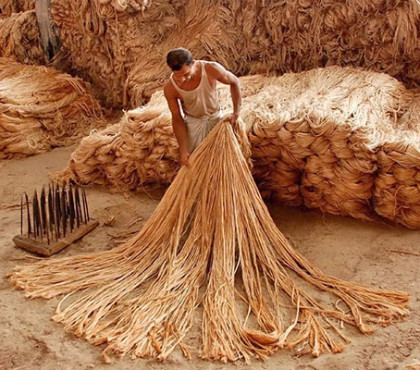
As the world grapples with plastic pollution and climate change, jute has emerged as a powerful, natural solution hiding in plain sight. This incredibly sustainable crop grows rapidly, requires far less water than cotton, and actually improves soil health through carbon sequestration. What makes jute truly revolutionary is its complete lifecycle sustainability—from field to finished product, it leaves almost no environmental footprint, biodegrading effortlessly without releasing microplastics or toxins into ecosystems.
The modern applications of jute will surprise those who still associate it with rough packaging. Today's innovators are transforming this fiber into stunning home textiles, from soft-blend curtains to elegant upholstery fabrics. Fashion designers are crafting jute-blend footwear, structured handbags, and even lightweight summer apparel that breathes beautifully. Practical yet planet-friendly items like jute coffee filters, sustainable yoga mats, and even compostable phone cases are expanding this fiber's possibilities far beyond its traditional uses.
Choosing jute represents a conscious step toward meaningful environmental stewardship. Each jute product supports agricultural communities in developing nations while directly reducing our reliance on petroleum-based synthetics. As consumers increasingly demand authenticity and sustainability, jute stands ready to meet both needs—offering tangible solutions to modern problems while connecting us to traditional craftsmanship. This isn't just a return to natural materials; it's progress toward a future where every purchase considers planetary wellbeing.